When Urgent Tooth Pain Treatment Is Needed and What to Expect
Signs You Need Urgent Dental Care, Not “Wait and See”
Tooth pain has a way of making time feel irrational. One minute you are thinking you will call tomorrow, the next you are staring at the ceiling because the throbbing won’t stop. While not every ache needs emergency treatment, certain patterns are clear signals that you should seek urgent tooth pain treatment.
Here are the most common signs I see that point to urgent dental care:
- Pain that escalates quickly, especially within 24 to 48 hours
- Swelling of the face, jaw, gums, or a visible “pimple” on the gum
- Fever, feeling run down, or swollen lymph nodes in the neck
- Pain triggered by biting or that wakes you from sleep and does not settle
- Trouble swallowing, breathing, or opening your mouth normally
Even if you can still function, rapidly worsening pain often means the underlying problem is moving, not staying put. Swelling is the big one to respect. It can reflect infection spreading through tissues. If you notice swelling along with fever or any breathing or swallowing difficulty, treat it as an emergency.
If you have ever ignored a toothache for a few days, you may remember how it tends to “teach you patience” the hard way. What starts as sensitivity can become a deeper infection, and the longer it goes, the harder it usually is to relieve quickly.
What Urgent Tooth Pain Treatment Options Usually Look Like
When you get seen for urgent pain, the goal is relief and control of the problem, not just a temporary lid over the symptoms. The exact urgent tooth pain treatment options depend on what is causing the pain, but most urgent visits follow a practical sequence: assess, find the likely source, address pain and inflammation, and then start definitive care when appropriate.
A few common scenarios:
- A cracked tooth or damaged filling: Pain may be sharp and triggered by biting or temperature changes. Treatment might involve stabilizing the tooth, removing or replacing a failing restoration, or beginning plans for a crown or other restoration once the tooth is calm.
- Decay reaching the nerve: Often the pain becomes intense, lingering, or spontaneous. If the tooth is salvageable, you may need root canal treatment or another nerve-focused approach depending on the exam findings.
- Gum infection or abscess: This can cause throbbing pain, swelling, bad taste, or tenderness. Drainage and targeted treatment of the infection may be needed, sometimes with temporary measures first.
- Impacted tooth concerns: Pain and swelling around a partially erupted tooth can require urgent evaluation. Sometimes the approach is medical and supportive first, followed by definitive management.
- Dry socket after an extraction: If pain starts a few days after removal and feels unusually severe, dry socket is a frequent culprit. Treatment typically focuses on calming the socket and protecting it during healing.
In my experience, people often expect a single “one-size” fix. Urgent dental care is more like triage plus a roadmap. Even if definitive work is delayed, you should still receive focused emergency relief for tooth pain. That might mean pain control, infection management, and clear next steps.
It also helps to know what urgent treatment is less likely to be. It is usually not the time for elective cosmetic changes, and it is rarely the best moment for complex multi-visit planning without first figuring out what is driving the pain.
How Urgent Tooth Pain Treatment Works, Step by Step
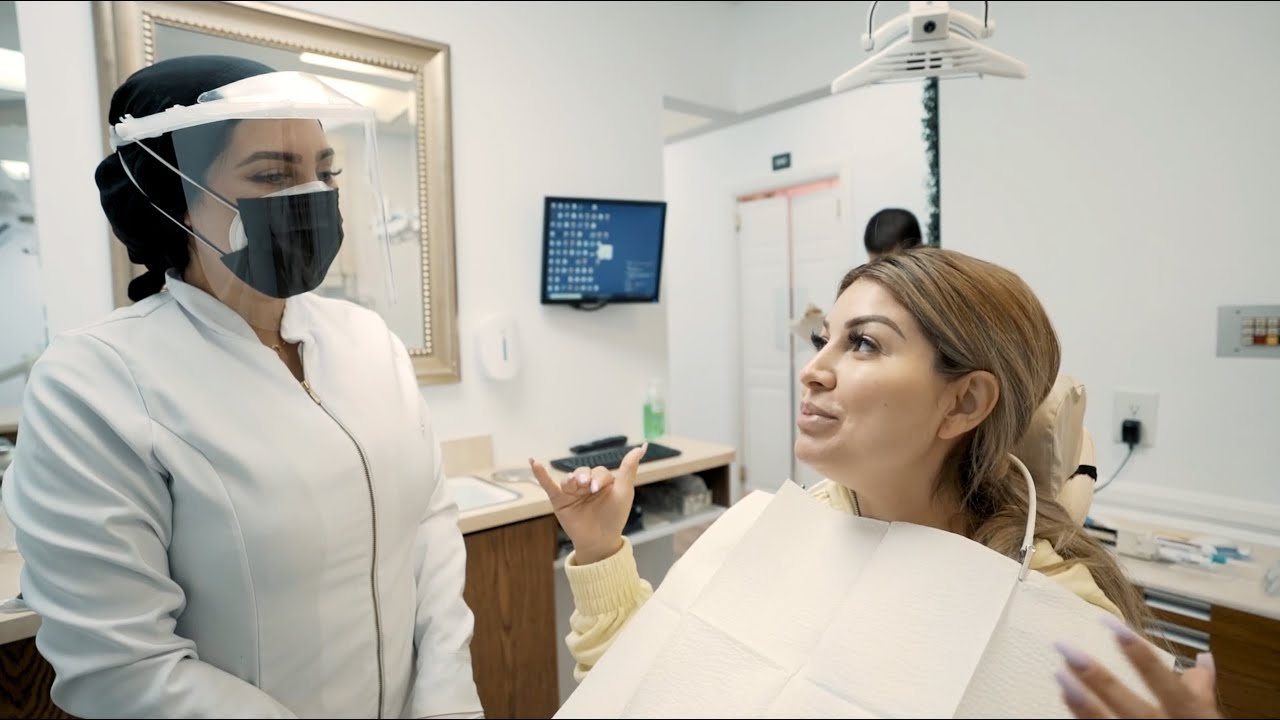
Even when you are in pain, it helps to know what typically happens during the visit. The process is designed to answer one question quickly: Where is the problem coming from, and how do we stop it from getting worse?
1) Fast, focused assessment
You will usually start with a detailed description of your pain: when it began, what triggers it, whether it is constant or comes in waves, and whether swelling or fever is present. Then the clinician performs an exam of the tooth, surrounding gums, bite tenderness, and nearby areas.
2) Imaging and targeted checks
If the source is unclear, dental imaging may be used to check for decay, bone involvement, or signs of infection. There may also be cold or percussion testing to see which tooth is most responsible.
3) Pain and inflammation control
Before any definitive work, most urgent visits aim to reduce your immediate suffering. This can include local numbing, targeted dental treatment, and sometimes medication guidance when infection or inflammation is part of the picture. The exact plan should match your medical history and your specific symptoms.
4) Definitive treatment when it is appropriate
If the cause is clear and the tooth can be treated right away, you might begin the needed procedure during the same visit. In other cases, treatment is staged, especially if swelling is significant or if more information is required.
5) Clear instructions for what happens next
You should leave with specific guidance on what to do at home, what symptoms mean you need to return urgently, and when follow-up should occur. A good urgent visit does not just treat the pain, it helps you understand the next steps.
If you are wondering how urgent tooth pain treatment works when the tooth is hard to diagnose, the answer is that clinicians use pattern recognition plus testing. Pain location, bite response, swelling, temperature sensitivity, and imaging together narrow down the culprit.
What to Expect During and After Your Appointment
Urgent appointments can feel rushed, but there is usually good reason for each step. You are dealing with discomfort and sometimes inflammation that has been building for days. The team’s job is to stabilize things and get you moving toward a real fix.
During treatment, numbness is often used, and you may feel pressure or gentle tapping rather than sharp pain. If an abscess is involved, you may notice a change in pressure once the source is addressed, which can be a relief. Even when the pain improves, the underlying cause still needs appropriate care.
After the appointment, you might experience a short period of soreness, especially after procedures involving affected tissue or nerve-related treatment. Your clinician should give you instructions on pain management and what foods to avoid. Soft foods are usually easier for a day or two, particularly if biting was painful before treatment.
Here are practical things that can make recovery more comfortable:
- Stick to soft foods for the first day if chewing hurts
- Take pain medication exactly as directed, especially if infection was treated
- Avoid very hot or very cold drinks if sensitivity lingers
- Keep your mouth clean with gentle brushing and rinsing as advised
- Watch swelling, fever, and worsening pain, and contact the clinic if things escalate
Edge cases happen. Sometimes you arrive thinking it is one https://emergencydentistmaidenhead.co.uk tooth, but testing points to another. Sometimes the initial visit focuses on controlling infection first, then definitive care follows once swelling reduces. That staging is not a delay for its own sake. It can reduce the chance of complications and can help the dentist work more safely and effectively.
When to Treat It Like an Emergency
Most urgent tooth pain cases still allow you time to call and be seen quickly. But a few situations should be treated as true emergencies because they can involve rapidly spreading infection or functional risk.
If you have swelling that is spreading, fever plus a worsening toothache, or symptoms that affect breathing or swallowing, seek emergency care right away. It is also wise to move quickly if you cannot open your mouth normally, because that can indicate deeper involvement in the tissues around the jaw.
If you are unsure, calling an urgent dental clinic is usually the fastest way to get guidance. You do not need to self-diagnose. You just need to explain what you are feeling, what you’ve noticed, and when it started.
Urgent tooth pain treatment is about restoring control. When you get the right care promptly, you give your body the best chance to settle the inflammation, and you give the dentist the best chance to address the root cause rather than chasing symptoms.